
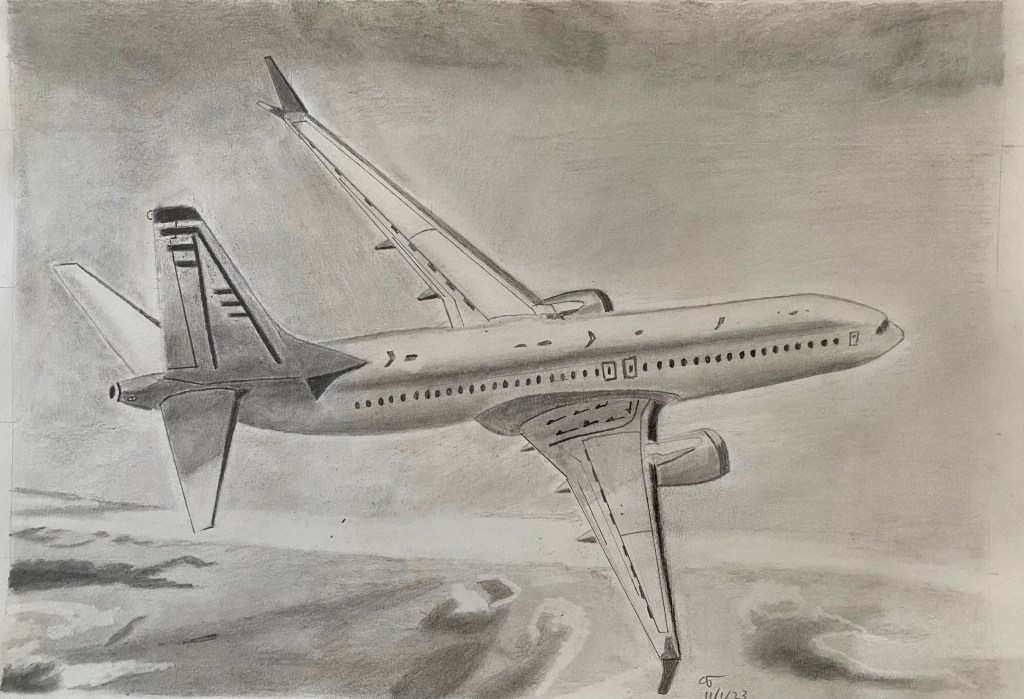
In the past week or two, a well-publicized aviation event has captured worldwide headlines. As the story goes, an off-duty airline pilot riding in the cockpit of a commercial flight attempted to shut down the engines in mid-flight, presumably with the intention of causing the aircraft to crash. Thankfully, the working flight crew restrained the pilot, who has since been detained and charged with 83 counts of attempted murder, among other charges. The accused pilot has pled not guilty to the charges due to experiencing a mental breakdown and being under the influence of psychedelic drugs. Perhaps the most striking part of this incident was that it involved a crew member; we regularly see and hear media stories about disgruntled passengers doing silly things, but I found the gravity of his act and the fact that this was a pilot to be especially noteworthy.
Riding in the cockpit jump seat is a common practice for off-duty pilots; I’ve done it many times, and routinely have jump seaters riding along on flights that I’m working. The majority of the time, they are off-duty pilots on their way to or from work. Why on earth would one of these pilots try to deliberately cause a crash? I suppose that’s a question for the legal process to uncover regarding the case in question, but regardless of the answer, the event made me question how this might apply to my day to day decision making at work. As the captain, it’s ultimately my decision whether or not to allow jump seat occupants on my flights. Up until now, I would not really even consider saying no, unless there was some very unusual circumstance. Just the opposite, in fact – it’s a normal part of my preflight preparation to check with the gate agents to make sure that jump seat riders are accommodated insofar as it is possible. I’ve never had any problems with jump seaters, but should I be concerned? Do I need to change my stance on allowing jump seaters? Why would I say no to helping a colleague get to work or get home? How should I respond to this?
Incidents like this are reminders to remain vigilant in and around the airport and on the airplane. Working in an environment where we as pilots follow a fairly regimented routine, and usually fly multiple times a day, complacency is always a threat. Terminal, preflight, fly, land, terminal….terminal, preflight, fly, land, terminal…rinse, lather, repeat. And while complacency is obviously problematic, it’s not good to be paranoid, either. Balance, then, seems to be order of the day. At an airline as large as the one I work for, it’s normal that I haven’t previously met any of the crew that I’m working with on a given trip. As a result, I make it a point to seek out and have a short small-talk conversation with every one working the flight, just to see how they are doing and where they are at mentally. Besides just being nice and a good practice, it’s also my way to assess the crew for any potential issues that might be going on for them that day, even though I go in trusting that they are ready to perform their duties.
Trust. Over the course of a fairly long career in military and now commercial aviation, I’ve often been reminded that pilots hold a position of public trust. A funny thing, public trust, if one thinks about it. In the last five years, I’ve carried somewhere in the neighborhood of 75,000 passengers on commercial flights that I’ve operated. When those 75,000 passengers showed up to the airport for their flights, they expected – trusted – me to be ready to fly that day. And yet, they did so without knowing me or anything about me. I’ve done the same myself many times as a passenger. I just expect that the airline and crew have done the right thing and are sufficiently prepared to safely transport me and the other passengers to our destination. I’ve never really had cause to believe otherwise.
There are many different spheres of life where we exercise public trust in people we don’t otherwise know. It is an essential part of making our society work. I’m reminded of my small part in this when I and my crew approach the gate for a flight; I often notice that passengers will stop what they are doing and observe us as we pass by. Some will greet us, or ask a question about the flight, and I’m happy to chat with them for a minute or two. However, I’ve never been asked if I was appropriately qualified to fly the airplane, or if I was well-rested the night before, or if I had something going on in my personal life that might affect my ability to do my job well. And why would a passenger ask such a thing? They assume – trust – that I’ve handled all of that business, and that I’m a professional who is ready to do my job. Just like I expect – trust – other crew members, maintainers, and everyone associated with flight operations to behave appropriately and do their jobs correctly. Which is perhaps why events like the one in question are so shocking; not only because of the serious nature of the incident, but also because the pilot in question violated his position of public trust, and the implicit trust of the passengers and other crew members on that flight. Which is sad, unfortunate and difficult to understand; one can only be grateful that the working crew stopped him before he was able to do any real damage.
After a bit of reflection on this incident, I don’t plan on changing my approach to allowing jump seaters in the cockpit. At the same time, I am reminded that I must always exercise discernment and awareness of who and what is around me. I’ve wondered many times since the news of this incident broke, how did this pilot get into the airport, past security, past the gate agents, past the flight crew, and into the cockpit if he was stoned on psychedelics and divorced from reality, as he claims? I don’t ask this as a way of passing judgment on the crew; I ask this of a way of self-examination, and wonder if the balance of trust and awareness that I exercise would have resulted in the same outcome or a different one. After consideration of this case, I plan to continue preparing for each flight in the same way that I have in the past, with the added reminder that the public trust I am entrusted with every day is good and necessary, and it is something that I must carefully safeguard, both within myself and with those around me.
AB17
 Afterburnings